







Search Results for: Airtight Moisture Protection
Coffee Bean Freshness | How Do Coffee Beginners Choose Fresh Coffee Beans? How Long Can Coffee Beans Be Stored After Opening? Which Is Better: A Sealed Coffee Bean Storage Canister or Storing Coffee Beans in the Refrigerator?
Many friends assume that freshly ground coffee means fresh coffee, but that's not actually the case. In reality, to truly enjoy the aroma of coffee, it's not just about grinding fresh—the roast time of the coffee beans also matters to some extent. Front Street Coffee has always placed great emphasis on the freshness of coffee beans, high [more…]

Practical Methods to Extend Coffee Bean Freshness: From Humidity-Proofing During the Mould-Return Season to the Right Approach for Fridge Storage
When the southern "hui nan tian" (return of the damp) arrives, everything at home feels wet, and coffee beans are no exception—they too risk absorbing moisture and growing mold. If you want your pour-over coffee beans to last longer without their flavor fading, the way you store them becomes especially critical. This article centers on how to store coffee beans so they keep longer, starting with the real frustrations of Lingnan's humid climate, analyzing the pros and cons of common practices such as airtight canisters and refrigerator chilling, and warning about the fatal impact of fridge odors on coffee beans. It also draws on the product characteristics of Front Street Coffee to offer storage suggestions better suited to daily life, helping coffee lovers extend their beans' peak flavor period as much as possible in a humid environment. [more…]
Three Major Taboos in Coffee Bean Storage | How to Store Fresh Coffee Beans to Preserve Flavor Longer? How to Extend the Peak Flavor Period of Single-Origin Pour-Over Beans?
As the Spring Festival approaches, it's another special Spring Festival, and many courier services are gradually suspending operations. Smart friends have already stocked up on winter supplies, filling their coffee cabinets to the brim. However, with still about half a month to go before the New Year, how to store coffee beans has become a major challenge for everyone. When storing coffee beans, [more…]
A Beginner's Guide to Coffee Bean Freshness: Key Selection Points, the Science of Resting, Peak Flavor Window, and Everyday Storage Methods
Many people believe that as long as coffee is freshly ground, it counts as fresh, but in reality, whether the coffee aroma can be fully released depends not only on the timing of grinding but also on time management after roasting. Once coffee beans have passed 50 days after roasting, their flavor is almost entirely depleted, so Front Street Coffee has always regarded freshness as the first prerequisite for good coffee. This article focuses on four core questions: how to tell whether a bag of beans is fresh, why beans need resting, how the peak flavor period differs from the shelf life, and how to store them properly in daily life. It also compiles suggested resting times for different roast levels from light to dark, special considerations for espresso beans, and the pros and cons of three storage options—sealed jars, one-way degassing valve canisters, and original packaging—to help beginners avoid common pitfalls. [more…]

Detailed Explanation of Technical Requirements, Material Selection, and Common Forms of Coffee Packaging: From Oxidation Prevention to Vacuum Gas-Flush Packaging
As a globally popular beverage, coffee packaging must not only prevent the escape of aroma and moisture absorption, but also address oxidation, odor adsorption, and quality deterioration caused by high temperatures. This article focuses on the packaging needs of regular coffee and instant coffee, systematically outlining key technical requirements such as oxidation prevention, moisture resistance, gas barrier properties, and high-temperature protection, and introduces current mainstream vacuum packaging and gas-flushing packaging processes. In terms of material selection, bags, bag-in-box, metal cans, and glass jars each have corresponding composite structure solutions, while instant coffee mostly uses paper/aluminum foil/polyethylene flexible packaging. The article concludes with a summary of common packaging forms such as bags, cans, and boxes, suitable for reference by coffee enthusiasts and industry professionals. [more…]
Three Major Taboos in Coffee Bean Storage and Analysis of Freezing Feasibility: Practical Tips from Moisture Prevention to Thawing
As the Spring Festival approaches, courier services are gradually suspending operations, and many coffee lovers have already stocked up on beans in advance. But how to keep coffee beans fresh during this period has become a concern for everyone. Storing coffee beans requires avoiding three major enemies: high temperatures, moisture, and oxidation. High temperatures accelerate the loss of aroma, moisture easily leads to mold, and oxidation shortens the optimal flavor period. Front Street recommends that unopened original packaging be kept in a cool, dry place, and that an airtight container be used after opening. As for refrigeration or freezing, although it can slow oxidation, it comes with the challenges of absorbing odors and becoming damp during thawing. This article will break down these storage points in detail to help you enjoy the New Year with peace of mind. [more…]
Refrigerate or Freeze Coffee Beans? Key Storage Tips and Practical Methods for Storing Ground Coffee
After coffee is roasted, aromatic compounds continue to escape outward. If the amount purchased exceeds what can be consumed within its peak-flavor window, the flavor will suffer greatly. This article begins with conventional storage ideas such as sealing, protection from light, coolness, and dryness, then focuses on analyzing the recently popular method of freezing coffee beans: it can indeed slow the loss of aroma, but improper handling can backfire. The article unfolds around three key details—sealing to prevent odor transfer, condensation and moisture damage, and avoiding repeated removal and return—and offers practical advice on portioning for storage. Front Street also reminds everyone that coffee is ultimately best enjoyed fresh, and buying only what you need is the worry-free approach. [more…]
How to Read the Roast Date, and When Is the Best Time to Open a Bag of Espresso Beans
From the moment espresso beans finish roasting to the moment they enter the cup, their flavor goes through degassing, relaxation, and gradual decline. If extracted too early, carbon dioxide tends to make the puck absorb water unevenly; the espresso may look rich on the surface, yet taste scattered on the palate. Once the beans have settled into their ideal state, sweetness, body, and aroma come together more readily. Therefore, the roast date is not [more…]
Floral beans from opening the bag to the cup: a timeline for tasting the aroma
The charm of light-roasted floral beans often lies in the changes that occur after opening the bag. Freshly roasted beans are not necessarily ready to drink right away; the gases produced during roasting continue to escape, and the aroma, acidity, and sweetness have not yet fully settled. When buying beans, check the roast date first, then plan your drinking rhythm—this matters more than just fixating on the flavor words on the packaging. [more…]
The Complete Guide to Coffee Bean Freshness: Analysis of the Four Major External Factors Affecting Flavor and the Best Storage Methods
Many coffee lovers are in the habit of buying coffee beans and brewing at home, but how to store them properly to slow down deterioration and preserve the alluring flavors of specialty coffee is a body of knowledge that is easily overlooked. This article, from Front Street's perspective, systematically examines how the four external factors—direct light, oxygen, moisture, and high temperature—affect coffee freshness, and offers corresponding protective strategies for each. We will also discuss the key points for choosing airtight containers, recommendations for storage locations, and common misconceptions about storing coffee in the refrigerator, and finally answer the key question of how long coffee beans and ground coffee each stay fresh, helping you enjoy a truly good cup within its optimal flavor window. [more…]
How can you tell if coffee beans are fresh? The necessity of storing them in an airtight container and an analysis of the pros and cons of storing ground coffee
Many people mistakenly believe that freshly ground equals fresh. However, to truly savor the aroma of coffee, the roast date of the coffee beans is just as crucial as freshly grinding them. Front Street Coffee has always regarded freshness as the foremost factor for high-quality coffee beans, because beans that have been roasted for over 50 days lose almost all their flavor. Therefore, every bag of coffee beans sold includes a note that the optimal flavor period is within 30 days, with the best drinking window being 14 days after the resting period ends. This article will systematically explain how to select fresh coffee beans, the principles and duration of resting, the difference between the optimal flavor period and the shelf life, and the correct storage methods, while also explaining why coffee beans should not be ground and stored. [more…]
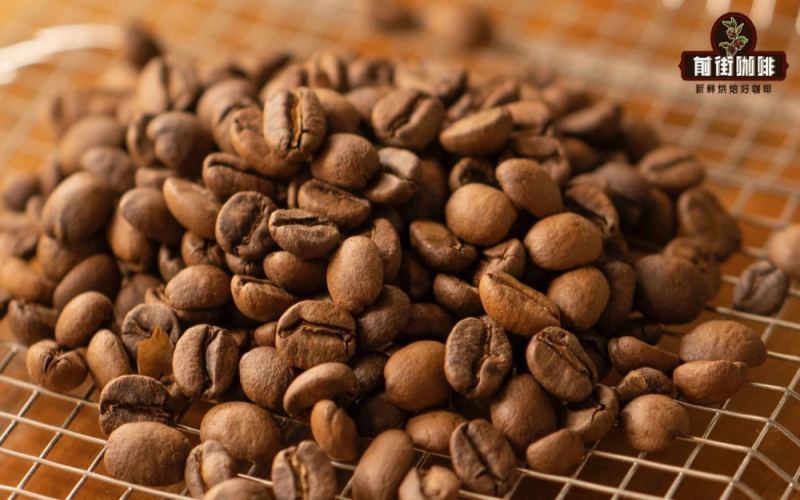
A Detailed Guide to the Freshness Differences Between Whole Coffee Beans and Ground Coffee, and How to Store Them
The flavor of coffee is closely tied to its freshness, and there is a significant difference in how long coffee beans and ground coffee stay fresh. Whole coffee beans, with their smaller surface area, generally maintain their freshness longer than ground coffee. This article will cover common questions about the storage life of coffee beans versus ground coffee, how to choose storage containers, and whether refrigeration or freezing is suitable, while sharing practical storage tips from Front Street Coffee to help coffee lovers preserve the aroma and taste of their coffee as much as possible from purchase to brewing. [more…]
Should You Freeze Coffee Beans? A Detailed Guide to the Three Key Practices: Sealing, Condensation, and Portioning
After roasting is complete, the aromatic compounds inside the coffee beans begin to dissipate continuously, so how to properly preserve them within their peak-flavor window has become a concern for many enthusiasts. Beyond the usual method of sealing and keeping them away from light at room temperature, frozen storage has drawn considerable attention in recent years. It can indeed slow the loss of aroma, but improper handling can instead cause the beans to absorb moisture or pick up off-flavors. This article will focus on the three core precautions for freezing coffee beans—sealing, condensation, and avoiding repeated removal—and offer some easier preservation suggestions to help you retain as much of the coffee's flavor as possible in your daily brewing. [more…]
The Complete Guide to Coffee Bean Freshness: A Practical Guide from Causes of Staleness to Optimal Storage Methods
Many people buy coffee beans to brew at home, yet often overlook the impact of storage methods on flavor. Once coffee beans are opened, light, oxygen, moisture, and high temperatures all accelerate their aging, leading to loss of aroma and even off-flavors. This article will start with the four major external factors affecting coffee freshness, analyze their mechanisms of action one by one, and provide practical storage recommendations. At the same time, we will also answer common questions such as whether coffee can be put in the refrigerator and how long coffee beans can stay fresh, helping you enjoy a truly fresh cup of coffee within its optimal flavor period. Whether you are a beginner just starting out or an enthusiast with some experience, this basic knowledge about storage is worth understanding. [more…]
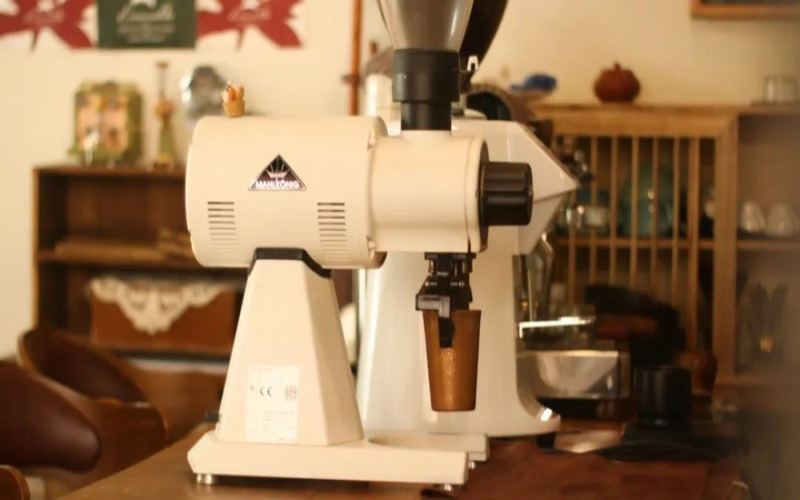
The Flavor Window and Storage Rhythm of Moka Pot Beans
Coffee brewed with a moka pot has both an espresso-like intensity and retains some of the bean's aromatic variations. Freshness directly affects this intensity: if the beans are used too early, the cup may have a noticeable bubbly sensation and a harsh, sharp bite; if rested properly, flavors like nuts, cocoa, and caramel gradually meld into one another, making each sip smoother. [more…]
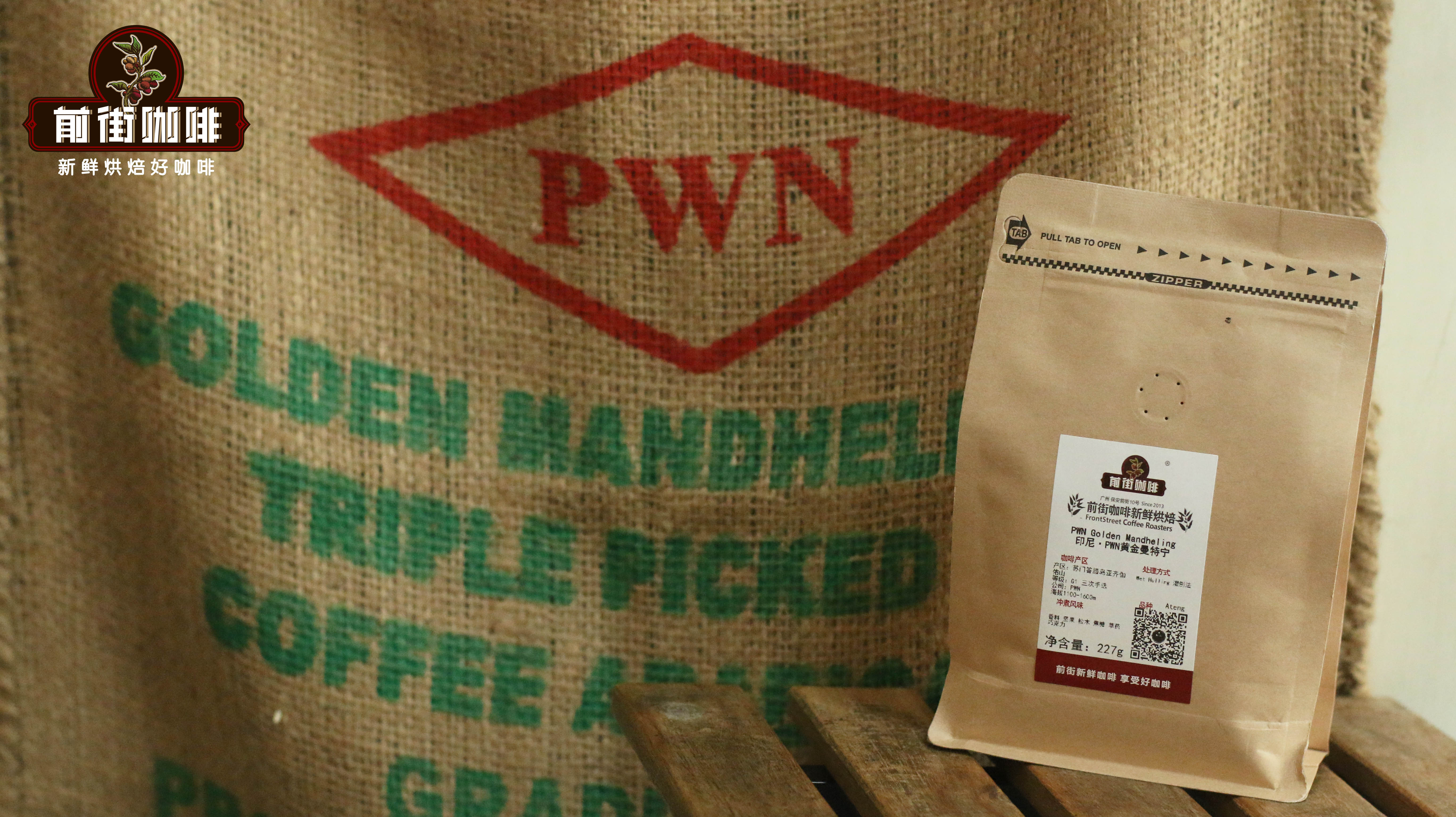
Should Coffee Beans Be Frozen? Debunking Storage Myths and the Right Way to Preserve Flavor
After stocking up on beans during Double Eleven, many coffee lovers are asking: how long can unopened coffee beans be stored? And once opened, how should they be kept to slow down staling? Today Front Street Coffee is here to talk systematically about coffee bean storage. The article will first explain the difference between "flavor" and "taste," outline the approximate ranges of the resting period and the peak-flavor period, then analyze one by one whether common practices such as sealing off the one-way valve or using airtight canisters are effective, and focus on discussing the risks of cross-tainting and moisture absorption that frozen storage may bring. Finally, it will offer the most reliable storage recommendations to help everyone buy according to need, store correctly, and enjoy fresh, good flavor for as long as possible. [more…]
Shelf Life of Roasted Coffee Beans | What Is the Best Way to Store Coffee Beans? What Factors Affect Coffee Bean Freshness? Is Freezing Coffee Beans a Viable Option?
People nowadays enjoy drinking coffee not only in coffee shops, but more often they want to buy coffee beans and brew a cup carefully at home, savoring it slowly. However, how should the coffee beans or ground coffee you buy be stored so that they don't go bad so quickly? How can you better preserve their fresh flavor? Especially when you've bought some specialty coff... [more…]
The Complete Guide to Keeping Coffee Beans Fresh: Master the Four Elements and Keep the Four Horsemen at Bay
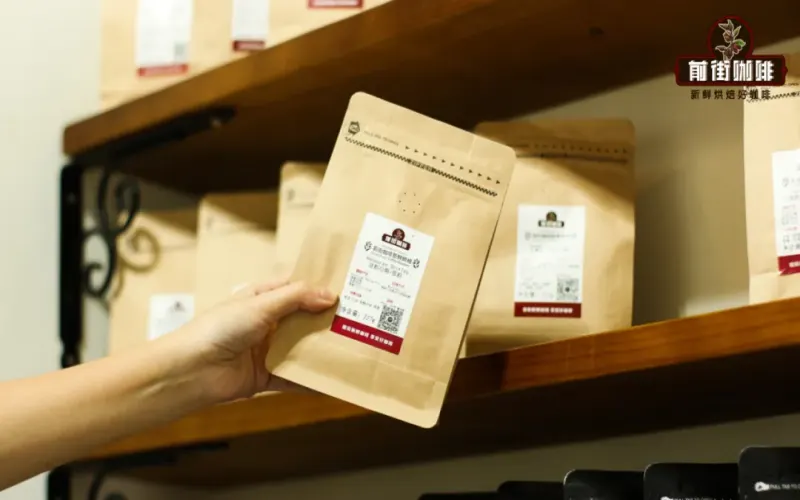
The freshness of coffee beans directly determines the flavor performance of a cup of coffee, yet many coffee lovers often stumble when it comes to storage. This article will systematically explain the core principles of coffee bean preservation—the four key elements of sealing, coolness, dryness, and light protection—and analyze one by one how the corresponding "Four Heavenly Kings" accelerate the loss of coffee flavor. At the same time, we will also provide practical storage advice to help you maximize the shelf life of coffee beans in your daily routine. If you are looking for reliable fresh coffee beans, the daily beans series from Front Street Coffee is worth checking out. [more…]
Coffee Bean Storage Methods | How to Store Roasted Coffee Beans? How Long Is the Shelf Life and Peak Flavor Period of Coffee Beans? What Factors Affect Coffee Bean Freshness?
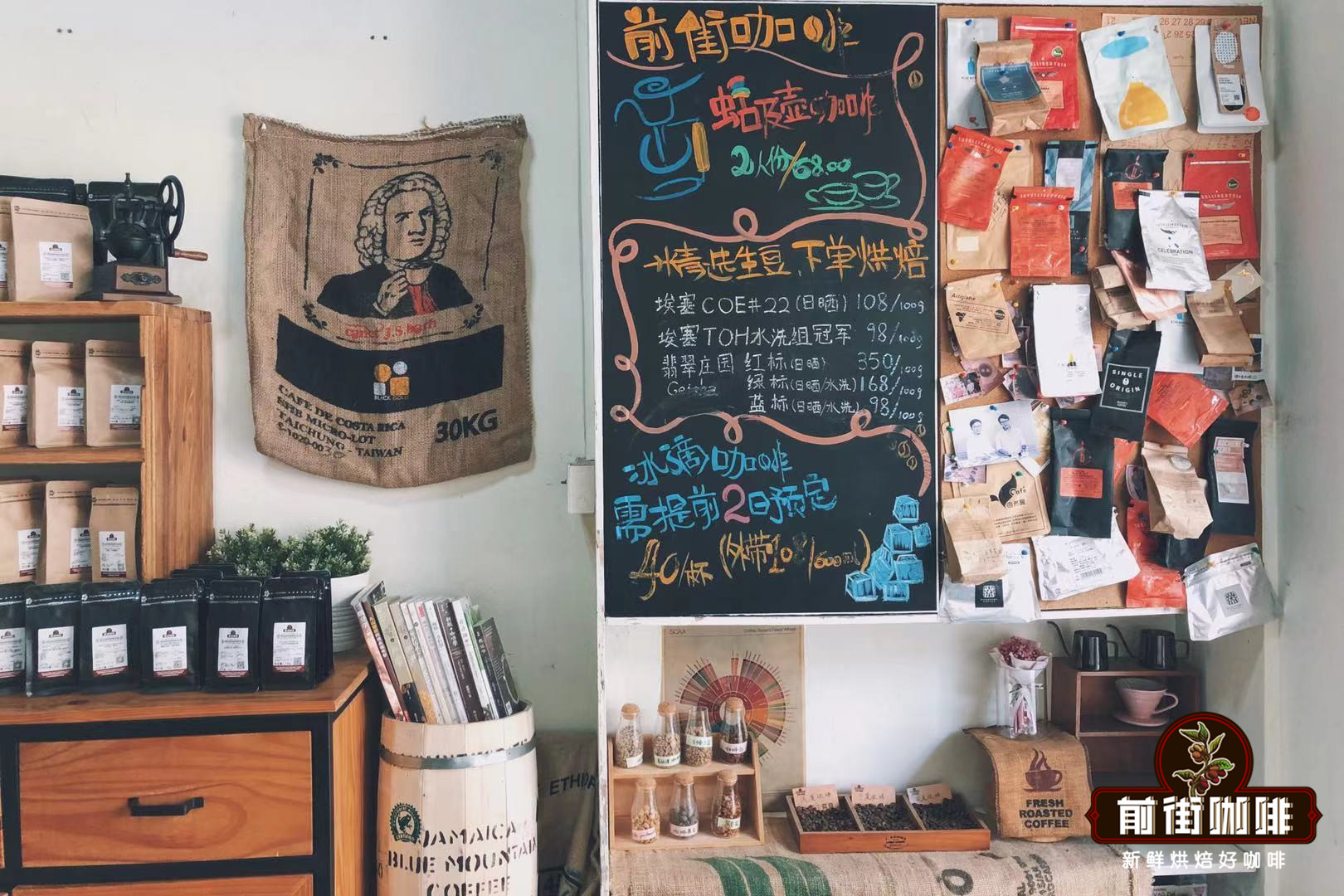
Many people think that freshly ground coffee means fresh coffee, but that's not actually the case. In fact, to truly enjoy the aroma of coffee, it's not just about grinding fresh—there are also certain requirements for the roasting time of the coffee beans. Front Street Coffee, whether in-store or on its online Taobao shop, provides freshly roasted coffee beans, unless the customer specifically requests grinding. [more…]
Coffee Shelf Life and Proper Storage: Roast Dates, Causes of Staleness, and Freezer Misconceptions Explained
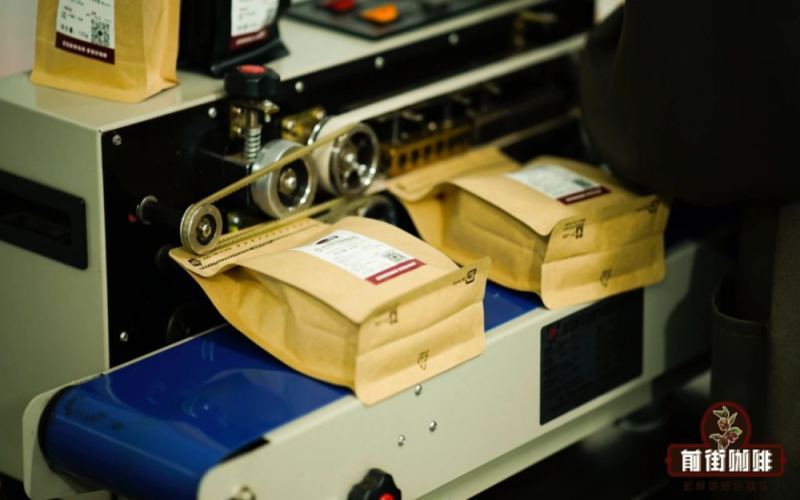
How long can coffee be stored? Will it go bad if kept for too long? Can you still drink it after the expiration date? These are questions everyone who stocks up on coffee at home will encounter. From the perspective of Front Street, this article first explains why coffee ultimately deteriorates—degradable compounds break down over time, and how oxygen, moisture, and storage methods accelerate this process; then it offers practical preservation principles: seal tightly, keep cool, avoid light, prevent moisture, and emphasizes that drinking it as soon as possible is the best approach. The article also analyzes why putting coffee in the refrigerator is not advisable, teaches you to use your nose to judge whether coffee has already gone stale, and recommends more reliable storage tools such as vacuum-sealed bags. [more…]